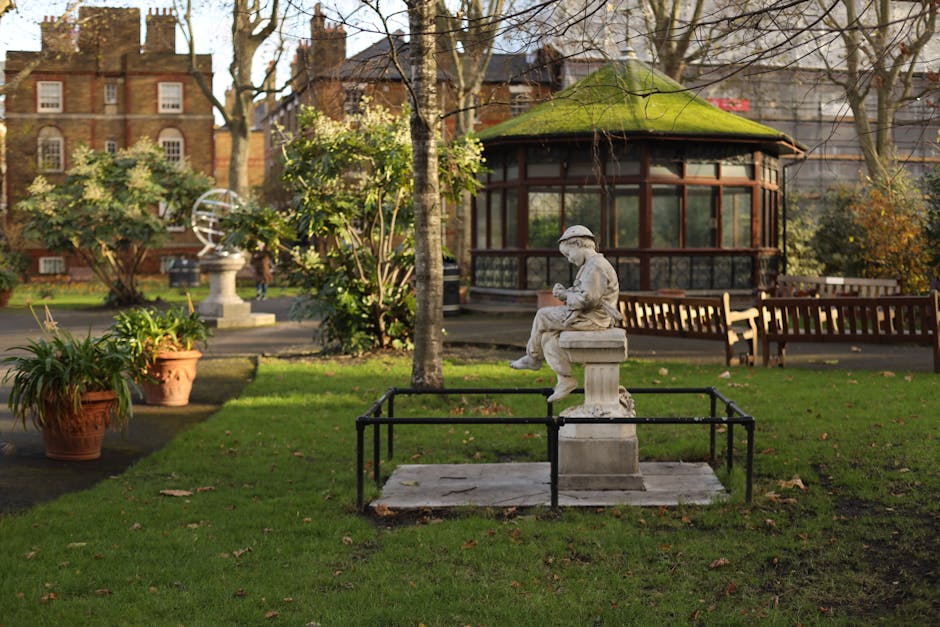
Eccleston Square garden maintenance advice from local gardeners
If you look after a garden in Eccleston Square, you already know it is not quite like tending a suburban plot with endless space and forgiving soil. Paved edges, shade from tall buildings, compact beds, mature planting, and the general pressure of keeping everything neat can make the work feel fiddly. That is exactly why Eccleston Square garden maintenance advice from local gardeners is so useful: it is practical, local, and shaped by the conditions you actually face, not by a generic list copied from somewhere else.
In this guide, we will walk through what matters most, how experienced gardeners approach routine care, where people usually go wrong, and how to keep a square or communal garden looking sharp without wasting time or money. You will also find a checklist, a comparison table, and a realistic example of what good maintenance looks like in a London setting. Straightforward, no nonsense.
Table of Contents
- Why Eccleston Square garden maintenance advice from local gardeners matters
- How Eccleston Square garden maintenance advice from local gardeners works
- Key benefits and practical advantages
- Who this is for and when it makes sense
- Step-by-step guidance
- Expert tips for better results
- Common mistakes to avoid
- Tools, resources and recommendations
- Law, compliance, standards, or best practice
- Options, methods, or comparison table
- Case study or real-world example
- Practical checklist
- Conclusion
- Frequently asked questions
Why Eccleston Square garden maintenance advice from local gardeners Matters
Eccleston Square gardens need a slightly different mindset than a typical private garden. The space may be shared, visible, and closely bordered by paths, railings, or neighbouring properties. That means maintenance is not just about keeping things alive. It is about keeping the garden balanced, safe, tidy, and pleasant to use day after day.
Local gardeners tend to spot issues sooner because they work with the same sorts of planting conditions over and over: London weather that can swing from damp to dry, compacted soil, shady corners, container planting, and beds that get heavy foot traffic near entrances or seating. They also understand what usually matters to residents and property managers. Nobody wants overgrown shrubs blocking light, uneven borders spilling onto paths, or a lawn that looks tired by mid-summer. Let's face it, the garden sets the tone before anyone even steps inside.
Advice from local gardeners matters because it is grounded in the conditions on the ground. In practice, that often means seasonal pruning, consistent edging, sensible watering, and regular checks for plant stress. It also means knowing when not to do too much. Overcutting, overfeeding, and overwatering can all cause more trouble than they solve. Gardens in central London can be surprisingly resilient, but they do need the right kind of attention.
Expert summary: Good Eccleston Square garden maintenance is usually less about dramatic transformation and more about calm, regular care. Small, timely jobs prevent bigger ones. That is the real secret, if there is one.
How Eccleston Square garden maintenance advice from local gardeners works
Good maintenance starts with observation. A local gardener will usually begin by looking at how the garden behaves across a week or a month, not just on the day of the visit. Which areas dry out first? Where does moss build up? Which plants lean toward the light? Where does leaf litter collect? These small details tell you how to care for the space properly.
From there, maintenance is broken into a rhythm. Some jobs are weekly, others monthly, and a few are seasonal. That rhythm matters because a garden in a square setting can change quickly. A bed that looked fine after pruning in April might be straggly by June if deadheading is skipped. A shrub that was tidy in autumn can become congested by spring. Gardening, sadly, does not keep itself on schedule.
Local gardeners also work with practical constraints: access, noise, waste removal, weather windows, and the fact that many square gardens are used by multiple people. So, maintenance plans are usually built around efficient visits and minimal disruption. In a busy area, that can make the difference between a garden that feels effortlessly cared for and one that always seems to be in recovery mode.
If you are comparing professional support, it helps to look at the broader range of garden services available, then decide whether you need regular upkeep, a one-off tidy, planting work, or a mix of everything. For many properties, a short planning conversation saves a lot of guesswork later.
Key Benefits and Practical Advantages
The first benefit is obvious: a better-looking garden. But the real value goes deeper than appearances. Regular maintenance can improve plant health, reduce avoidable costs, and make the whole space easier to enjoy. That matters in Eccleston Square, where the garden is often part of the character of the property rather than an afterthought.
- Healthier planting: Consistent pruning, feeding, and watering support stronger growth and fewer weak spots.
- Better presentation: Crisp borders, trimmed hedges, and weed control make a big visual difference.
- Lower long-term work: Small jobs done regularly are easier than trying to rescue an overgrown garden later.
- Safer paths and access: Clearing trips hazards, fallen leaves, and encroaching growth matters more than people think.
- Seasonal resilience: Gardens that are maintained well cope better with heat, rain, and wind.
- Better value for shared spaces: In communal gardens, consistent care helps everyone feel the space is being properly looked after.
There is also a calmer, subtler benefit. A well-kept garden tends to feel easier to use. You notice the difference when you sit outside with a cup of tea and the space does not demand your attention. It just works. That sounds small, but it is not really small at all.
Who This Is For and When It Makes Sense
This kind of advice is useful for several groups. If you are a resident with a small private garden, you may want help keeping things neat without losing the character of the planting. If you manage a communal garden, you may need a maintenance plan that keeps the whole space presentable year-round. If you are responsible for a rental property, you may simply want the garden to stop becoming a stress point before inspections or lettings.
It also makes sense if any of the following sound familiar:
- Plants look fine one month and untidy the next.
- Weeds seem to appear faster than they can be removed.
- The lawn, if you have one, looks patchy or thin after summer.
- Hedges and shrubs are starting to hide windows or crowd paths.
- Garden tasks keep getting pushed back because nobody quite owns the job.
To be fair, many people only realise they need structured maintenance once the garden begins asking for too much attention. That is normal. It is usually easier to create a routine once the space has settled into a few reliable patterns. If you are at that stage, a local gardener can help you reset things without making it feel like a big project.
For more on the team behind the advice and the way they approach local work, you can also read the about us page. It is often reassuring to know who is actually doing the work.
Step-by-Step Guidance
The simplest way to maintain a garden in Eccleston Square is to treat it as a cycle rather than a one-off task. Here is the basic approach local gardeners usually follow.
- Start with a full look-over. Check beds, borders, lawn edges, containers, hard surfaces, and any climbing plants. Look for pests, disease, dieback, and signs of stress.
- Clear the obvious mess first. Remove leaf litter, broken stems, spent flowers, and weeds before doing anything else. It is amazing how much cleaner a space looks after this step.
- Prune with a purpose. Cut back only what needs cutting back. Shape shrubs carefully, avoid hacking into healthy growth, and keep sightlines open where needed.
- Refresh soil and mulch. Add organic matter where beds are tired, then mulch to help retain moisture and suppress weeds. In central London, that extra moisture retention can really help in warm spells.
- Check watering needs. Containers, newly planted shrubs, and sunny beds will often need more attention than shady established areas.
- Edge and define borders. Clean edges make even a modest garden look intentional. It is one of those jobs that quietly improves everything else.
- Feed only where needed. Do not scatter fertiliser everywhere just because it feels proactive. Different plants need different treatment, and too much feed can cause soft, weak growth.
- Finish with a tidy review. Stand back, check the whole space, and note what will need attention in two weeks, not just what needed attention today.
If you want a fuller service plan rather than a one-off tidy, it can help to request a proper pricing and quotes discussion so the work is scoped sensibly. A good quote should match the garden's actual needs, not a vague guess.
Expert Tips for Better Results
Here is where local experience really comes in. A few small habits can make a large difference.
- Work with the microclimate. Some parts of the square may be sheltered and warm; others may be exposed or shaded. Treat them differently.
- Use staggered maintenance. Instead of doing everything at once, split jobs into weekly or fortnightly tasks so the garden always looks under control.
- Keep plants grouped by need. Thirsty plants together, shade lovers together, sun lovers together. It makes watering and care far easier.
- Deadhead regularly. This keeps flowering plants tidier and often encourages more blooms. Simple job, big payoff.
- Be careful with evergreen shrubs. They can hide issues until they are suddenly overgrown. Light, regular shaping is usually better than a dramatic cut.
- Observe after rain. Puddling, soil washout, and slumping plants reveal drainage issues that are easy to miss in dry weather.
- Use clean tools. It is a boring bit, but yes, tool hygiene matters. Cutting through diseased plant material with dirty blades spreads problems around.
One small practical point: if you notice moss, compacted soil, or shallow-rooted plants repeatedly struggling in the same spot, the problem may not be the plant at all. It may be light, drainage, or foot traffic. That sort of thing is easy to miss when you are focused only on appearances.
For larger or more exposed spaces, good garden care should also sit alongside responsible waste handling. You can see how green waste and materials are approached through the site's recycling and sustainability information. A tidy garden should not create a messy trail behind it.
Common Mistakes to Avoid
Most garden problems in places like Eccleston Square are not dramatic. They are usually the result of a few repeated mistakes. That is the annoying part, honestly.
- Over-pruning: Cutting too much at once can weaken shrubs and make them look worse for months.
- Ignoring weeds until they seed: Once weeds set seed, you are not just removing the weed; you are planning the next wave.
- Watering on a fixed schedule without checking the soil: Some days the soil is dry, some days it is not. The plant does not care about your calendar.
- Letting containers dry out completely: Potted plants can go from fine to crispy very quickly in warm weather.
- Feeding everything equally: Different species have different needs. Uniform treatment is often a false shortcut.
- Leaving seasonal work too late: Missing the right pruning or cleanup window can make the next phase more awkward.
- Forgetting access and safety: Slippery paving, low branches, and hidden tools can cause problems for anyone using the garden.
There is another common one: people assume a garden only needs heavy work once or twice a year. In reality, a little regular attention is usually the thing that keeps the whole space from spiralling. Not glamorous, but effective.
Tools, Resources and Recommendations
You do not need a shed full of specialist equipment to maintain a square garden well. Good results usually come from a sensible, well-kept set of basics.
| Tool or resource | Why it helps | Best use |
|---|---|---|
| Bypass secateurs | Makes clean cuts on live stems | Pruning small shrubs, deadheading, tidying stems |
| Long-handled loppers | Reaches thicker growth with better leverage | Heavier pruning and awkward branches |
| Hand fork and trowel | Useful for bed work and weeding | Border maintenance and planting |
| Leaf rake | Quick cleanup for paths and beds | Autumn and after windy days |
| Watering can or hose setup | Supports container and new planting | Dry spells, summer care, establishing plants |
| Mulch or compost | Improves soil and helps hold moisture | Seasonal bed refresh |
If you are outsourcing work, the most useful resource may simply be clarity. Ask what is included, how often visits will happen, what gets disposed of, and whether the garden will be left ready to use. If you need to get in touch, the contact page is the right place to start.
You may also want to review how service arrangements work, including payment handling, before committing to anything. The site's payment and security and terms and conditions pages are useful for that sort of practical housekeeping.
Law, Compliance, Standards, or Best Practice
For most garden maintenance in a residential setting, the main concern is not legal complexity but sensible, safe practice. Still, a few points matter.
Where work involves tools, ladders, waste removal, or access through shared areas, it should be carried out with care and proper risk awareness. That includes keeping walkways clear, using equipment appropriately, and avoiding actions that could damage neighbouring property or create hazards. If a contractor is involved, it is reasonable to ask about public liability cover and general safety procedures. You should not have to guess.
Best practice also includes respecting privacy, noise, and shared use. In a place like Eccleston Square, gardens may be overlooked or used by several households. Quiet, tidy work and sensible scheduling go a long way. It is just good manners, really, but it also keeps things running smoothly.
For reassurance about how work is carried out, you can review the company's health and safety policy and insurance and safety information. If you are the sort of person who likes to know the formal side before saying yes, those pages are worth a look.
When a site handles customer information or enquiries, trust matters there too. The privacy policy, cookie policy, and accessibility statement show the kind of transparency people increasingly expect from a professional service. And rightly so.
There is one more policy page that may be relevant if you care about ethical sourcing and labour standards: the modern slavery statement. It is a quiet but meaningful part of demonstrating responsible business practice.
Options, Methods, or Comparison Table
Different gardens need different levels of attention. The right method depends on how much time you have, how formal the planting is, and how presentable the space must stay.
| Method | Best for | Pros | Trade-offs |
|---|---|---|---|
| DIY basic upkeep | Small private gardens with simple planting | Low cost, flexible, hands-on | Easy to miss seasonal tasks or let things slip |
| Scheduled professional maintenance | Communal gardens, busy households, formal spaces | Consistent, tidy, less stress | Higher ongoing cost |
| Seasonal reset visits | Gardens that only need occasional heavier work | Good for recovery and rebalancing | May not stop gradual regrowth between visits |
| Hybrid approach | People who want to do some work themselves | Flexible and cost-conscious | Needs clear division of responsibilities |
For many Eccleston Square properties, the hybrid approach is the sweet spot. A professional handles the heavier, technical or seasonal work, while smaller tasks like watering, light deadheading, and quick litter clear-ups are done in between. Not perfect, but practical.
Case Study or Real-World Example
Here is a realistic example from the kind of garden often found around Eccleston Square. Imagine a medium-sized shared courtyard with a few mature shrubs, a strip of seasonal planting, several containers, and paved edges that catch fallen leaves. The space looks decent in early spring, but by late May the borders are floppy, weeds are returning, and the containers are drying out faster than anyone expected.
A local gardener would usually start by clearing the old growth, checking what can be saved, and identifying the plants that are simply in the wrong place. The next step would be to thin congested growth, top up the soil, add mulch, and reset the watering pattern. Then the gardener would look at the timing of future visits so the garden is not left to drift again. Maybe one visit every couple of weeks in the growing season, then reduced frequency once things slow down. Sensible, not dramatic.
What changes most in a case like this is not just appearance. The garden becomes easier to keep tidy because the underlying issues have been addressed. The staff or residents involved stop feeling as though the space is permanently "catching up." That emotional shift matters more than people admit. A garden that feels manageable gets used more, looked after better, and enjoyed properly.
Practical Checklist
Use this checklist as a quick reference before or after a maintenance visit.
- Remove litter, fallen leaves, and broken plant material.
- Check for weeds in borders, cracks, and container edges.
- Deadhead spent flowers where appropriate.
- Trim soft, overhanging growth away from paths and entrances.
- Inspect shrubs for signs of stress, pests, or disease.
- Water containers and new planting based on soil condition, not habit alone.
- Refresh mulch or compost where beds look tired.
- Confirm tools are clean and stored safely after use.
- Review access routes, trip hazards, and slippery surfaces.
- Note what needs attention before the next visit.
If you are planning regular work rather than a one-off tidy, compare the checklist against the service scope so nothing gets assumed and forgotten. That part matters more than people realise.
Conclusion
Good Eccleston Square garden maintenance advice from local gardeners is really about finding the balance between careful upkeep and practical realism. The best gardens are not the ones that are endlessly fussed over. They are the ones that receive consistent attention, thoughtful pruning, sensible watering, and a bit of local judgement about what the space actually needs.
If your garden is starting to feel harder to manage than it should, do not wait for it to become a bigger job than necessary. A clear plan, the right maintenance rhythm, and a local understanding of the space can make everything easier. And once the garden settles, it tends to reward you quietly, day after day. That is the nice part.
Get a free quote today and see how much you can save.
For a calmer next step, explore the services overview or use the contact page to ask a few direct questions. A good garden should feel like a help, not a chore.
Frequently Asked Questions
What makes Eccleston Square garden maintenance different from standard garden care?
It often involves shared spaces, tighter access, more visible presentation, and planting that needs to cope with urban conditions such as shade, reflected heat, and compacted soil. The work is usually more regular and more detail-focused.
How often should a garden in Eccleston Square be maintained?
That depends on the planting and how formal the space is, but many gardens benefit from weekly or fortnightly attention in the growing season. In quieter months, monthly visits may be enough for lighter upkeep.
Can I manage Eccleston Square garden maintenance myself?
Yes, if the garden is small and you are realistic about the time involved. The main thing is to keep up with weeds, watering, and seasonal pruning before problems build up.
What should I ask a local gardener before booking work?
Ask what is included, how often visits will happen, whether waste is removed, how they handle access and safety, and whether the plan suits your specific garden rather than a generic template.
Why do local gardeners give better advice for this area?
Because they are used to the local weather patterns, planting challenges, and the practical realities of working in central London gardens. That experience usually leads to advice that is more useful and less theoretical.
What are the most common problems in square gardens?
Overgrown shrubs, weeds in borders and paving, dry containers, patchy lawns, poor drainage, and plant crowding are all common. The pattern is usually a mix of small issues that have been left a bit too long.
Is professional garden maintenance worth it for a small space?
Often yes, especially if the space is visible, shared, or difficult to access. Even small gardens can need a surprising amount of routine care, and professional support can stop them becoming weekend-only panic projects.
What time of year is best for heavier garden work?
Spring and autumn are often the most useful times for reset work, pruning, planting, and cleanup. Summer is usually about keeping things neat and watered, while winter is better for planning and light maintenance where needed.
How do I know if my garden needs a full tidy or regular maintenance?
If the space only needs a reset once or twice a year, a tidy may be enough. If growth, weeds, or presentation keep slipping back quickly, regular maintenance is probably the better choice.
Are there safety issues to think about with garden maintenance?
Yes. Slippery paving, tools, ladders, overhanging growth, and waste handling can all create risks. Good practice means keeping the space safe while work is being done and afterwards too.
Where can I find more information about service arrangements and trust details?
You can review the insurance and safety information, along with the site's terms and privacy policy. Those pages help set clear expectations before any work begins.
What is the simplest improvement I can make right now?
Clear the debris, edge the borders, and remove weeds before they spread. It sounds basic because it is basic, but it instantly changes how the garden feels and buys you breathing room for the next stage.