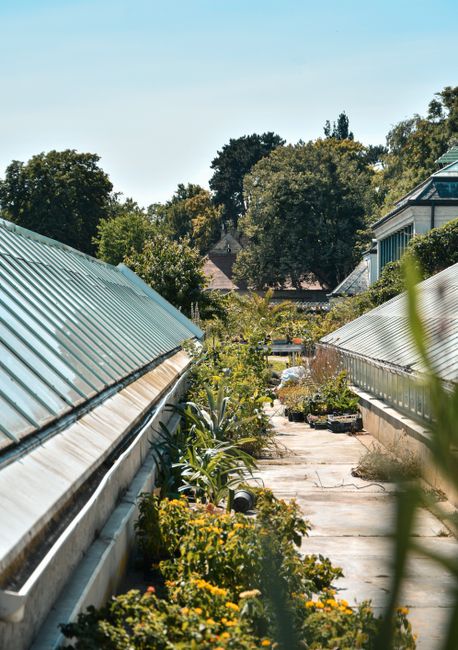
Expert gardeners for Pimlico Road terrace plant health checks

If your terrace plants are looking a bit tired, yellow at the edges, or just not growing the way they should, you are not alone. Terrace planting in Pimlico has its own rhythm: wind exposure, reflected heat, tight containers, restricted roots, and the occasional week where everything dries out faster than you expected. That is exactly where expert gardeners for Pimlico Road terrace plant health checks make a real difference. They do not just glance at a few leaves and call it done. They look at the whole picture: soil, drainage, feeding, pests, sun movement, container size, and the day-to-day conditions that shape plant health on a London terrace.
This guide explains what a proper plant health check involves, why it matters, who needs it, and how experienced gardeners approach it in a practical way. You will also find a simple checklist, a comparison of common options, and a few real-world notes from the sort of terrace issues that crop up again and again. Let's face it, terrace gardens can look lovely and still be quietly struggling underneath.
Why expert gardeners for Pimlico Road terrace plant health checks matter
Terrace gardens are a different beast from ground-level borders. On Pimlico Road and the streets around it, planting is often grown in pots, raised planters, or narrow beds where the roots have less room to breathe. That means plants can decline quickly if something small goes wrong. A container that drains badly. A hidden aphid problem. Compost that has lost structure. A north-facing corner that gets less light than you thought. These things build up quietly.
Expert gardeners bring a trained eye to those details. A healthy-looking plant may still be under stress; likewise, a plant that looks rough can often recover with the right intervention. The point of a health check is not to make dramatic changes for the sake of it. It is to identify what is actually happening and then act early, before the trouble spreads through the rest of the terrace.
For people living or managing properties near Pimlico Road, presentation matters too. Terrace planting is part of the first impression. If the rosemary is woody, the box balls are patchy, or the climbers are struggling on the railings, the whole space can start to feel neglected. A thorough review keeps the planting looking cared for, which is especially helpful if you use the terrace for entertaining or simply enjoy seeing it from the kitchen with your morning tea.
Expert summary: A plant health check is less about "watering more" and more about diagnosing the real cause of decline. On terraces, that cause is often a mix of container stress, exposure, and maintenance timing rather than one single fault.
How expert gardeners for Pimlico Road terrace plant health checks works
A proper terrace plant health check usually begins with observation. Good gardeners do not rush straight into pruning or feeding. They look at growth patterns, leaf colour, stem strength, soil condition, moisture levels, drainage holes, and signs of pests or disease. They also ask about the way the terrace is used. Is it windy most afternoons? Does water run off quickly? Are the plants in full sun until mid-afternoon or shaded by nearby buildings? Those practical details matter more than many people realise.
The process often includes a close inspection of each plant group. One planter may be under-watered while another stays wet for too long. Some herbs can cope with a rougher regime; others, not so much. Mediterranean plants like lavender or rosemary may fail for different reasons than lush shade plants such as ferns or hostas. An experienced gardener understands those differences without making a song and dance about it.
Depending on what they find, the gardener may recommend pruning, re-potting, refreshing compost, adjusting watering routines, improving mulch, treating pests, or replacing tired specimens. In many cases, small changes are enough. And honestly, that is often the best outcome. You do not always need a full redesign; sometimes you need a cleaner, healthier system.
If a terrace needs broader support beyond plant care, some owners also look at related services such as garden maintenance or, where the space has become crowded and awkward to manage, a fresh reset through garden clearance. Those are not always necessary, but they can help when the planting has tipped into overload.
Key benefits and practical advantages
The biggest advantage is early intervention. Plant problems usually start small: a few pale leaves, some weak new shoots, a bit of leaf drop after a windy spell. If you catch them early, the fix is usually simpler and cheaper. Leave them long enough and you may end up replacing plants that could have been saved. That is the frustrating bit.
Another benefit is better use of terrace space. Pimlico Road terraces are rarely vast, so every container needs to earn its place. Expert checks help you decide which plants should be moved, divided, cut back, or swapped out. You get a tidier, more purposeful look rather than a patchwork of half-thriving pots.
There is also the matter of confidence. Once you know what is wrong, maintenance becomes less guesswork and more routine. You stop overwatering because the topsoil looks dry. You stop feeding at random. You notice the signs earlier. A good check gives you that kind of clarity.
- Healthier plants: issues are spotted before they become severe.
- Better presentation: the terrace looks more polished and balanced.
- Smarter watering: plants are matched to their actual needs.
- Less waste: fewer unnecessary replacements and fewer failed purchases.
- Seasonal resilience: plants cope better with heat, wind, and winter damp.
There is a softer benefit too. A well-tended terrace simply feels nicer to use. You notice the scent of herbs after rain, the movement of leaves in the breeze, the way a healthy climber softens brickwork. Small thing, maybe. But it changes how you feel about the space.
Who this is for and when it makes sense
This service is for anyone who wants a terrace to look good and stay healthy without leaving everything to chance. That includes homeowners, tenants with permission to manage planting, landlords, managing agents, hospitality properties, and anyone maintaining a private outdoor terrace near Pimlico Road. If the plants are important to the feel of the property, it makes sense.
It is especially useful in a few situations. After a holiday, for example, when the terrace has gone from "fine, fine" to a little crispy in the sun. Or after a storm, when a few pots have toppled and roots may have been damaged. It also makes sense in spring, when plants should be waking up but instead look sluggish, and in late summer when container plants often hit their limit.
Some people book a health check because they know something is wrong. Others do it preventatively, which is often the smarter move. If a terrace has expensive planting, mature specimens, or a very visible position, a routine check can save a lot of stress later. Truth be told, it is much easier to manage a plant before it starts sulking in earnest.
This is also a good fit if you have a mix of plant types that need different care. One planter may have ornamental grasses, another may have evergreen structure, and a third may be packed with seasonal colour. A specialist can help balance them rather than forcing one routine onto all of them.
Step-by-step guidance
If you want to understand how expert gardeners approach terrace plant health checks, this is the practical version. No mystery. Just a sensible process.
- Start with a full visual survey. Look for leaf discolouration, wilting, stunted growth, sparse foliage, broken stems, and pests on stems or under leaves.
- Check the growing medium. In containers, compost can compact, dry out, or break down over time. If it has collapsed or become sour-smelling, that is a warning sign.
- Assess drainage. Pots should not stay waterlogged. A blocked drainage hole, saucer with standing water, or heavy clay mix can create root stress very quickly.
- Test watering habits. Some plants need a deep soak, not frequent light splashes. Others resent being kept wet. Matching the routine to the plant matters.
- Inspect for pests and disease. Aphids, scale, mildew, vine weevil, and fungal spotting are common terrace issues. Look carefully. They can be easy to miss at first.
- Prune or deadhead where needed. Remove dead, weak, or crossed growth to help air move through the plant and support fresh shoots.
- Decide what needs feeding or replacing. Not every plant needs fertiliser, and not every tired-looking plant is worth keeping if the root system is failing.
- Set a follow-up routine. A good check ends with a plan: what to monitor weekly, what to water differently, and when to review again.
The most useful checks are not rushed. A gardener may spend more time looking at one container than you would expect. That is a good thing. The trouble is often hidden below the top layer, and terrace planting can be deceptive from a distance.
Expert tips for better results
Seasoned gardeners do a few things that make a real difference. First, they treat terraces as microclimates. A west-facing wall can bake pots in the afternoon; a sheltered corner can stay damp and cool for days. Same terrace, completely different conditions. You cannot judge by postcode alone, even on the same street.
Second, they avoid overfeeding stressed plants. It is tempting to think a weak plant needs more fertiliser. Sometimes it does; sometimes it needs less water, better drainage, or pruning first. Feeding at the wrong time can do more harm than good. Bit annoying, but true.
Third, they keep an eye on root space. On terraces, rootbound plants are common. If roots are circling tightly or pushing out of the pot, the plant may stall even if the top growth still looks acceptable. Re-potting into a slightly larger container, or root pruning where suitable, can restore vigour.
Another tip: use plant grouping intelligently. Plants with similar watering needs should sit together where possible. That reduces the chance of one being drowned while another dries out. It sounds obvious once said, but plenty of terrace planting goes wrong here.
If your terrace includes structural planting such as hedging or screening, a broader maintenance plan may be useful. Services like hedge trimming can help keep screening plants dense and healthy, while carefully managed tree lopping and removal may be needed where overgrown specimens are stealing light or causing pressure in a tight space.
One more thing: do not ignore the obvious. If a plant is in the wrong pot, in the wrong light, and clearly miserable, the answer may be replacement rather than rescue. No shame in that. A terrace should work for the plants as much as for the people using it.
Common mistakes to avoid
Terrace plant care can go sideways in predictable ways. The first mistake is treating every plant the same. Herbs, evergreens, flowering annuals, and shade plants all have different needs. One watering plan for the lot is usually too crude.
A second mistake is assuming brown leaves always mean drought. Not always. It could be root rot, salt build-up, wind scorch, pest damage, or a pot that heats up too much in sun. If you only chase the symptom, you will keep chasing it.
Another common error is ignoring container fatigue. Compost loses structure over time, nutrients run down, and roots eventually fill the pot. If you never refresh the medium, the plants will slowly underperform even if you are doing everything else right.
Then there is the classic overwatering trap. It happens more often than people admit. The top layer looks dry, so you water again, but lower down the compost is still wet. The plant gets stressed, the roots sulk, and fungus can move in. Plants are not always dramatic, but they do have limits.
- Using pots without enough drainage.
- Letting saucers collect standing water for days.
- Pruning too hard at the wrong time of year.
- Feeding a plant that is already stressed by poor roots.
- Choosing plants for looks only, not for terrace conditions.
If you are unsure, it is better to diagnose first and act second. A measured approach nearly always beats a flurry of random fixes. Nearly always.
Tools, resources and recommendations
An expert gardener will usually bring simple but effective tools rather than anything flashy. For terrace plant health checks, the useful kit tends to be practical: secateurs, gloves, a moisture-checking method, a trowel, a small hand fork, ties for supporting stems, and suitable feeds or soil improvers chosen for the plant type. Sometimes a magnifying look at leaves is enough to catch a pest outbreak early. No drama required.
For property owners, it helps to keep a basic record of what was planted and when. Even a rough note on a phone can help. Which containers were refreshed last spring? Which plants were replaced after winter? Which side of the terrace gets the fiercest sun? Those little notes make future checks much more useful.
It is also sensible to think beyond the plants themselves. Watering access, pot mobility, and access routes matter. On some terraces, a lack of easy access means plants get neglected because nobody can quite reach the back row of containers. A good maintenance plan takes that into account.
If you are comparing service options, it may help to look at a broader package through services overview or review practical details on pricing and quotes if you want to understand how visits are typically structured. Those pages can help you decide what level of support fits your terrace without overcommitting.
For clients who care about how work is handled on site, related information such as insurance and safety and the health and safety policy can be reassuring, especially where work involves ladders, heavy pots, or shared access. It is the boring bit, perhaps, but the boring bit matters.
Law, compliance, standards, or best practice
For terrace plant health checks, there is usually no special legal process to worry about, but there are still sensible UK best practices to follow. If the property is rented or managed, make sure any changes to terraces or planters are allowed under the tenancy or management arrangement. Shared buildings may also have rules about access, watering systems, waste disposal, or placement of heavy containers.
Where work involves carrying materials through communal areas, lifting heavy pots, or using tools at height, safe working practices become important. Professional gardeners should be able to explain how they manage risk in a straightforward way. That includes sensible lifting, stable access, and keeping pathways clear. It is not glamorous, but it is exactly the sort of thing that prevents avoidable problems.
Best practice also includes responsible disposal of plant waste, diseased material, and old compost. If a plant has a suspected disease issue, it should be handled carefully rather than tossed into general green waste without thought. The goal is to avoid spreading a problem from one container to another. Similarly, if any materials need replacement, sustainability-minded choices can help reduce waste over time. You can read more about that approach through recycling and sustainability.
In short, the standard is simple: work neatly, work safely, and make decisions that protect both the planting and the property. That is the benchmark. Nothing fancy, just solid professional practice.
Options, methods, or comparison table
There is more than one way to manage terrace plant health. The right choice depends on how much time you have, how complex the planting is, and how quickly you need results. Here is a simple comparison.
| Approach | Best for | Strengths | Limitations |
|---|---|---|---|
| DIY visual check | Small terraces with a few low-maintenance pots | Fast, cheap, good for obvious issues | Easy to miss root, drainage, or pest problems |
| Routine maintenance visit | Regularly managed terraces needing seasonal upkeep | Keeps plants tidy and on schedule | May not dig deeply enough into underlying problems |
| Specialist health check | Problem terraces, valuable planting, or repeated failures | More diagnostic, more tailored, better long-term decisions | Usually takes more time and a higher level of expertise |
For many Pimlico Road terraces, the third option is the most useful when plants have stopped performing and nobody can quite work out why. A proper diagnosis avoids trial-and-error. And if you have ever repotted a plant only to discover the issue was actually a hidden pest, you will know how annoying that can be.
Case study or real-world example
Picture a terrace with a mix of bay, lavender, seasonal colour, and a few climbers in long planters. From the street, it looks reasonably neat. Up close, though, the bay leaves are slightly yellowing, the lavender has become woody at the base, and one planter stays damp long after watering. The owner has been feeding everything the same way and adding more water in hot weather. Sensible enough, but not quite right.
During a health check, an experienced gardener notices that the lavender is sitting in a heavy mix that stays too wet after rain, while the bay is rootbound and under-nourished. The climber has a few pests under the leaves, and the seasonal flowers are fading because the planter is crowded and exhausted. Nothing is catastrophic. That is the good news.
The fix is practical rather than dramatic: re-pot the bay, refresh the compost in the damp planter, improve drainage, cut back the woody lavender carefully, remove the worst of the pests, and rework the planting plan so each container has a better chance of success. A couple of weeks later, the terrace looks lighter and healthier. Not perfect overnight. But clearly on the mend.
This kind of situation is common because terrace issues tend to stack up. One small imbalance becomes another. The point of a good health check is to separate the real causes from the visible symptoms. Once you do that, the space becomes much easier to care for.
Practical checklist
Use this quick checklist before or after a terrace plant health check. It is simple, but it covers the stuff that gets missed.
- Check whether each plant is in the right amount of light.
- Inspect leaves for spots, mould, holes, or unusual colour change.
- Look under leaves and around stems for pests.
- Feel the compost for dryness, dampness, or compaction.
- Make sure containers have clear drainage holes.
- Check for rootbound plants or roots circling the pot.
- Remove dead, weak, or damaged growth.
- Confirm the watering routine matches the season.
- Refresh tired compost where needed.
- Note any plants that need replacing rather than rescuing.
- Record anything unusual so the next visit can be more targeted.
If you can answer those points clearly, you are already ahead of most terrace owners. Simple as that.
Get a free quote today and see how much you can save.
Conclusion
Expert gardeners for Pimlico Road terrace plant health checks offer more than a tidy-up. They give you a clear reading of what your plants actually need, which is especially valuable on exposed London terraces where containers can struggle for many different reasons at once. From drainage and soil health to pruning, pests, and seasonal timing, the details matter.
If you want a terrace that stays attractive, resilient, and easier to manage, a proper health check is one of the most useful steps you can take. It saves guesswork. It protects your planting. And it helps the space feel like somewhere you genuinely want to spend time, not just somewhere that needs constant fixing. A good terrace should feel calm, not bossy.
And sometimes, that little bit of expert attention is all it takes to bring the whole space back into balance.
Frequently Asked Questions
What do expert gardeners check during a terrace plant health visit?
They usually look at leaf condition, stem strength, pest signs, soil moisture, drainage, root space, pruning needs, and whether each plant is suited to its current light and exposure. The goal is to find the real cause of decline, not just the visible symptom.
How often should terrace plants be checked?
For most active terraces, a seasonal check is sensible, with extra attention after heatwaves, storms, or long wet periods. Heavily planted terraces or spaces with expensive specimens may benefit from more regular reviews.
Why do terrace plants struggle more than garden plants?
They have less root space, more exposure to wind and sun, and faster changes in moisture. Containers dry out quickly in hot weather and can also stay waterlogged if drainage is poor. It is a tough environment, to be fair.
Can a plant health check save a dying plant?
Sometimes, yes. If the problem is caught early and the roots are still healthy enough, a plant can often recover with better watering, pruning, repotting, or pest treatment. If the root system has already failed, replacement may be the better option.
What are the most common terrace plant problems in Pimlico?
Common issues include drying out, poor drainage, rootbound containers, pest outbreaks, wind scorch, fungal problems, and nutrient depletion in old compost. The exact mix depends on the aspect of the terrace and the plant types used.
Do I need a specialist gardener or can I do the check myself?
You can do a basic visual check yourself, especially for simple planting schemes. But if the terrace is complex, repeatedly underperforming, or home to valuable plants, a specialist is often worth it because they can diagnose hidden issues more accurately.
Will the gardener always recommend replacing plants?
No. Good gardeners try to save healthy plants where possible. Replacement is suggested when a plant is too weak, badly suited to the space, or unlikely to recover fully. The aim is a healthier terrace overall, not unnecessary swapping.
What should I ask before booking a terrace plant health check?
Ask what the visit includes, whether the gardener will look at drainage and root health, how they handle pests, and whether they can suggest a follow-up plan. It also helps to ask about safety, access, and how plant waste is managed.
Is there anything I should prepare before the visit?
It helps to gather any notes about recent problems, watering habits, and plants that have struggled in the past. If you know when the terrace was last refreshed or repotted, that is useful too. Even a short bit of history can save time.
Can terrace plant checks improve the look of the property as well as plant health?
Absolutely. A healthy planting scheme looks fuller, cleaner, and more intentional. On a visible street like Pimlico Road, that can make a noticeable difference to the whole feel of the property. Fresh growth and tidy structure go a long way.
What if my terrace has hedging, climbers, or small trees too?
Then the health check should include those plants as part of the wider scheme. Larger or structural planting often needs additional maintenance, especially where it is competing for light or restricted by containers. Related services such as hedge trimming or tree care may be relevant depending on the layout.
How do I keep terrace plants healthier after the visit?
Follow the watering plan, monitor drainage, remove dead growth promptly, and keep an eye on seasonal changes. The biggest gains usually come from consistency. A few minutes each week is often better than one big rescue job later on.
Where can I learn more about local gardening support?
You can explore the wider site for practical details about maintenance, service options, and how work is handled. If you want to understand the company background first, the about us page is a good place to start, and the blog may help with more local gardening ideas.